
Who can advertise what after October 2026
Search ads answer someone who is already looking, which is why they are the safest paid channel in healthcare. But the NMC guidelines split the rules by who is speaking, so the first question is always whose name is on the ad.
| Advertiser | Paid ads | Notes |
|---|---|---|
| Hospital or medical institution | Allowed for factual information, with care | Department-level ads (what, where, when, how much, how to book). No solicitation, superiority claims or promotional portrayal of an individual doctor (8.3(ii)). |
| Individual NMC-registered doctor | Not in their own name | Paid ads in a doctor's own name amount to solicitation and self-promotion (IMC Regulation 6.1.1; NMC 8.1(ii)). The doctor can appear in the hospital's directory, which is treated differently (9.1). |
| Dental clinic | Google Search only | Dentists follow the Dental Council code. We run factual search ads; we do not run Meta or other social interruption ads for dental clinics. |
| Diagnostic centre | Factual test availability and timings | No discounted packages pushed at healthy people, which can encourage unnecessary tests (8.1(i), 8.1(x)). |
What's included
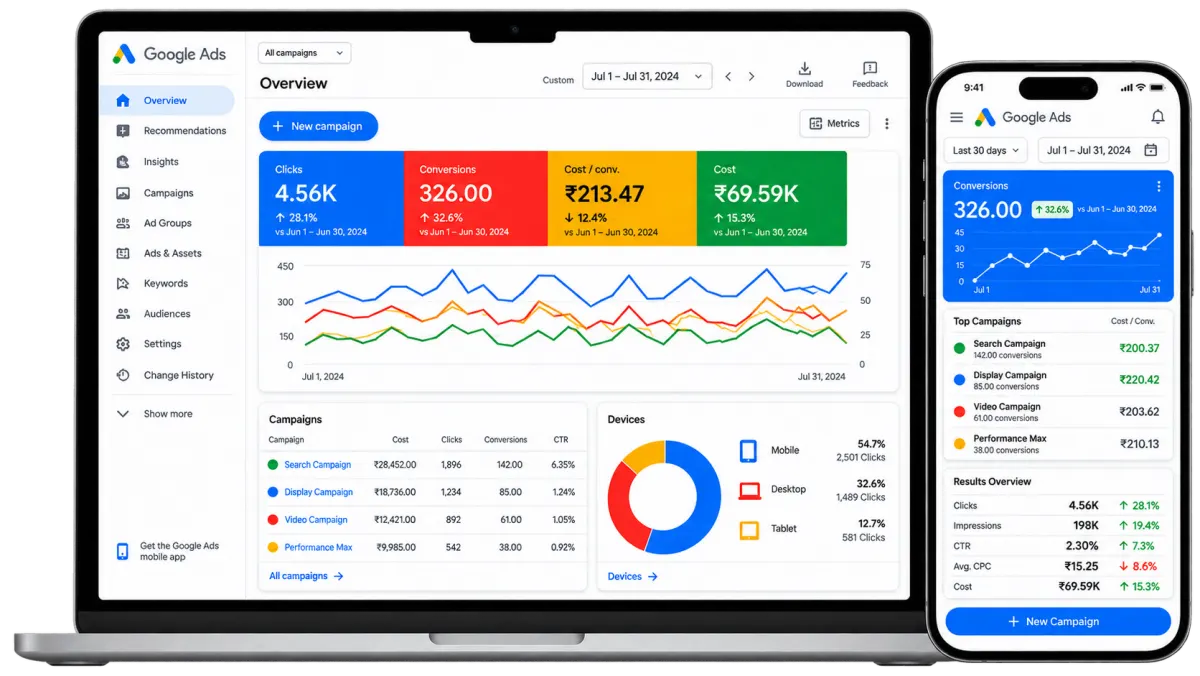
- Google Search campaigns by department, service and area: "cardiology OPD in Chembur", "MRI scan in Vashi", "physiotherapy clinic in Borivali".
- YouTube campaigns for patient-education video from hospitals.
- Meta campaigns for hospitals only, after re-checking Meta's current health advertising policy. We do not run Meta ads for individual NMC doctors or dentists.
- Landing pages that meet the disclosure rule: every doctor named carries qualifications and registration number (Explanation IV), and fees are shown with what is included.
- Tracking of calls and form enquiries, with consent text and a privacy-policy link on every form.
- Budget control and reporting. Spend pacing, frequency caps and a monthly report on enquiries, cost per enquiry and search terms. Cost per enquiry is a measure we report, never the basis of our fee.
How it works
- Research and strategy. We study your departments, catchment, competitors and what people search for, and choose platforms and campaign types accordingly.
- Campaign setup. We structure campaigns, set keyword and location targeting, budgets and conversion tracking, so every campaign has one clear purpose.
- Compliance check. Every ad and landing page goes through our NMC compliance checklist and is approved in writing by the institution.
- Launch and test. We test several factual messages, ad formats and landing pages to see what helps people decide.
- Analyse and optimise. We control budgets, cut wasted search terms, cap frequency and refine campaigns monthly from real data.
What we won't do
- Remarketing, Customer Match lists or lookalike audiences for health services. Google treats health as a sensitive category, and uploading patient lists without lawful consent breaks data-protection rules.
- Target anyone under 18.
- Advertise discounts, "free consultation", coupons, countdowns or limited-period offers (8.1(x) and the CCPA's dark-pattern guidelines).
- Use superlatives, "painless" claims or success rates in ads (8.1(iii), 8.1(ix)).
- Build an ad around one star doctor on a hospital account (8.3(ii)).
- Charge per lead, per call or per appointment (8.1(vii) and 8.1(viii)).
- Send bulk WhatsApp or SMS messages to people who are not opted-in patients.
Proof
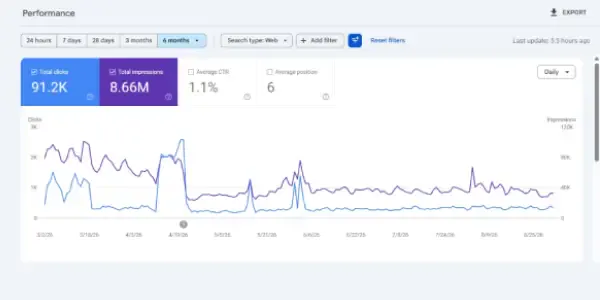
Our performance marketing team has managed ₹10 Cr+ in digital budgets across client campaigns. References are available on request. For organic results, see the multispeciality hospital SEO case study.
Before you set a budget, read how much healthcare marketing costs in Mumbai.
Work for this
See our doctors on The Ranveer Show, Figuring Out by Raj Shamani and TEDxNMFC, the hospital films we produced and press coverage in Times Now, Hindustan Times and News18.









Frequently asked questions
Not in their own name: paid ads by an individual doctor amount to solicitation and self-promotion under IMC Regulation 6.1.1 and NMC 8.1(ii). Hospitals can run factual, department-level ads that do not promote one doctor.
Yes, for factual information such as departments, facilities, timings and health education, provided the ads avoid superiority claims, inducements and patient stories. Meta's own health policies also apply, so we re-check them before every campaign.
There is no single right number. It depends on the departments, the competition for those searches and the catchment. We propose a test budget in the written plan, review it against enquiries, and adjust. Ad spend goes directly to Google and is separate from our fee.
Because NMC clauses 8.1(vii) and 8.1(viii) bar lead-generation fees and agency arrangements where payment is linked to procuring individual patients. A per-lead deal can put the doctor's or hospital's standing at risk, so we use fixed fees.
You can state packages and fees factually, with what is included. You should not run discounts, time-limited offers or campaigns that push tests at healthy people, which clauses 8.1(i) and 8.1(x) target.
No. Google restricts remarketing and audience lists for sensitive health categories, and following someone around the web after they looked up a condition is exactly the kind of targeting patients find intrusive.