
Why video and podcasts work in healthcare
Patients search for answers long before they book. Varicose veins, PCOS, knee pain, IVF: these are high-search, high-myth conditions, and a calm, well-produced explanation from a qualified doctor in the patient's own language holds attention in a way short clips rarely do. Done as education, it is also squarely inside what the NMC guidelines allow (clause 5.1), and AI Overviews cite YouTube when the video carries a proper description and transcript.
What's included
- Format design. Explainers, myth-busting Q&A, long-form podcasts, department tours and launch films, with a question structure built from what patients actually ask.
- Scripting with the clinician. Questions and talking points drafted by us, checked and approved by the doctor.
- Shoots. In your hospital or clinic, or in a studio, with clean audio. Our in-house team includes a head of media production and video producers and editors.
- Editing and packaging. Chaptered long-form edits, reels and Shorts cut from the same shoot, titles, thumbnails, descriptions and tags.
- Transcripts and summaries. Every video gets a written summary or transcript on your website, so search engines and AI assistants can read it.
- Website embedding. Click-to-play embeds that do not slow the page, with VideoObject structured data.
- Channel management. One YouTube channel, consistent naming, playlists and analytics review.
- Languages. English, Hindi and Marathi.
Formats and where they fit
| Format | Use it for | Rules to remember |
|---|---|---|
| Condition explainer | Symptoms, causes, options, when to see a doctor | Balanced options, no fear framing (8.1(i)) |
| Long-form podcast | Myths and questions answered in depth | Disclose any paid host relationship (8.1(xi)) |
| Department or facility tour | Equipment, services, how to reach | Factual, no superiority claims (3.2 Explanation II) |
| Launch or announcement film | New department, branch or service | Announce only what is already working |
| Doctor talk | Public-health topics in the doctor's own name | No promotion of the employer (8.2(iii)); disclosures on screen |
How it works
- Format and topic. We agree the format, audience and questions with the clinician.
- Script and review. The doctor checks every medical statement before the shoot.
- Shoot. One well-planned shoot day can feed a long-form episode and several short cutdowns.
- Edit and compliance check. We edit, add the doctor's name, qualifications and registration number on screen, and run the cut through our compliance checklist.
- Publish and distribute. YouTube, the website with transcript, and short cutdowns for Instagram and Facebook.
- Analyse. Views, watch time, traffic sources and subscribers, reviewed monthly.
What we won't do
- Film surgery or procedures for promotion, or broadcast live surgery outside the NMC's live-surgery framework (7.5).
- Show before-and-after results or patient testimonial videos (8.1(v), 6.2).
- Use AI-generated doctors, patients or cloned voices (7.2).
- Use fear-based hooks or "miracle" and "breakthrough" framing.
- Have a doctor endorse a drug, device or product (8.1(iv)).
- Pay a creator to recommend a doctor or hospital. A host can be engaged for an educational conversation, with the relationship disclosed.
Proof
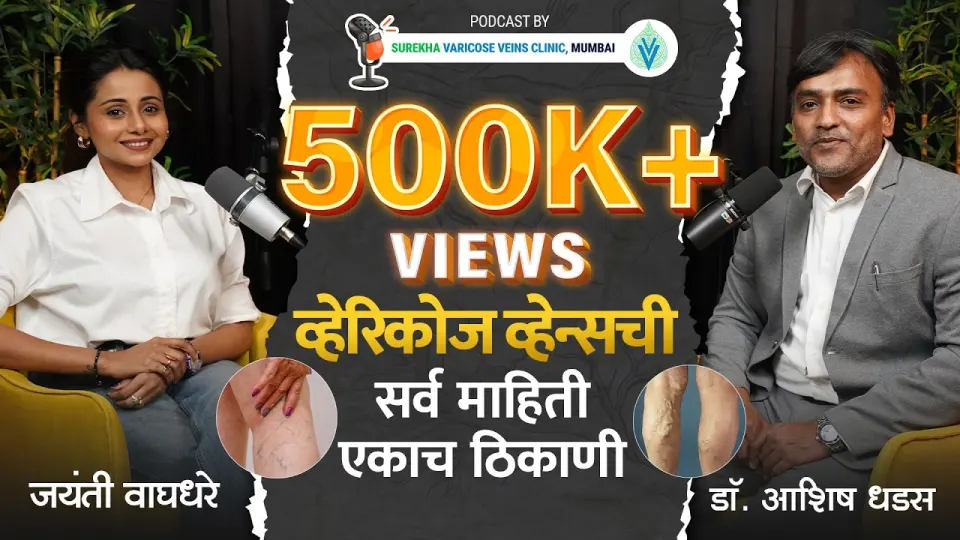
- Varicose veins podcast: one long-form Marathi episode with 537,158 lifetime views, 25.8K watch hours and 2.2 lakh unique viewers; the channel grew from 650 to 9.7K+ subscribers (YouTube Studio analytics).
- Samata Hospital launch: one on-site shoot day fed launch films, reels, teasers and press photography.
Work for this
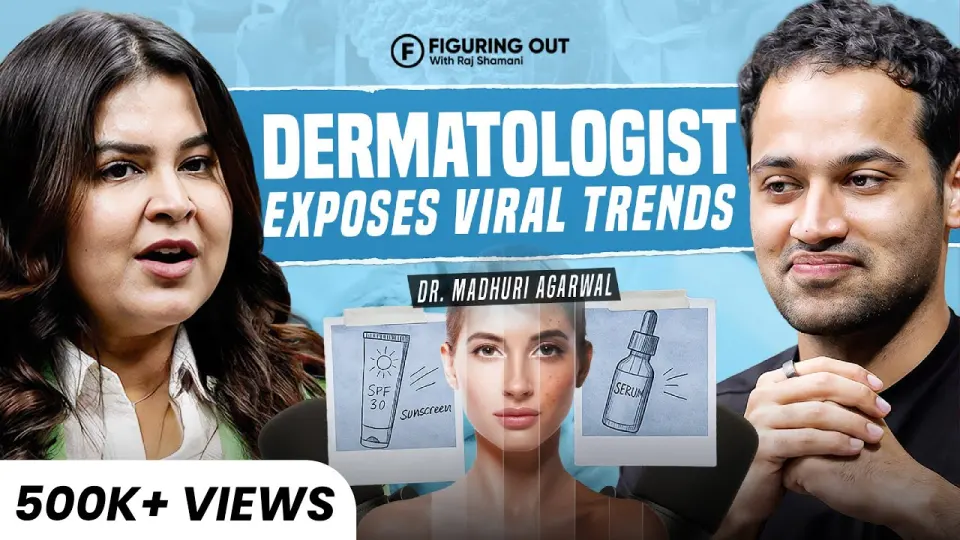
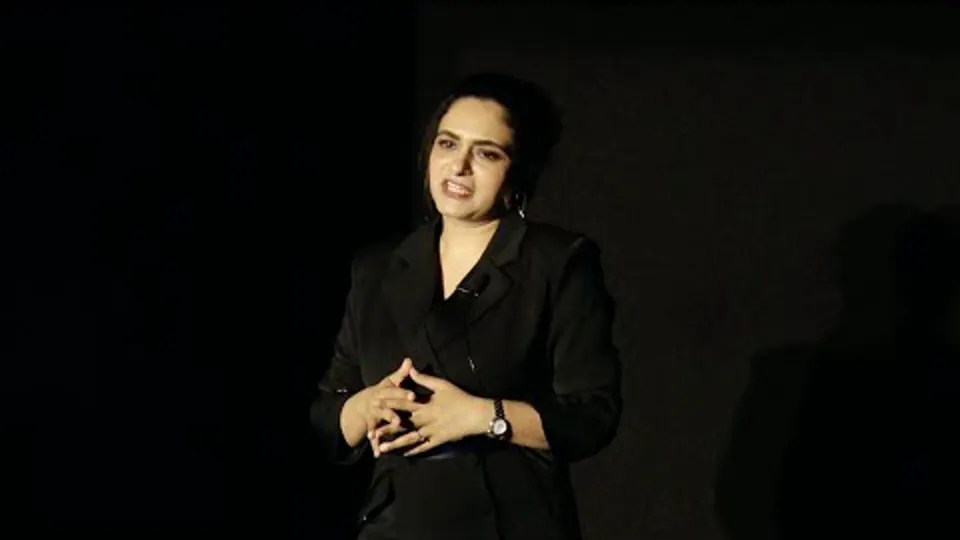
See our doctors on The Ranveer Show, Figuring Out by Raj Shamani and TEDxNMFC, the hospital films we produced and press coverage in Times Now, Hindustan Times and News18.





Frequently asked questions
Yes, for health education that does not promote their practice or solicit patients (5.1). YouTube counts as social media, so the doctor's name, qualifications, registration status and number should appear with every video.
Search engines and AI assistants read text far more reliably than video. A transcript or written summary on your website lets them understand and cite the video, and it helps patients who prefer to read.
Not for promotion. Patient consent does not make a testimonial or promotional patient story permissible (6.2), and identifiable patient data must not be published. We film doctors, staff, facilities and equipment instead.
Long-form conversations hold attention long enough for YouTube to keep recommending them. In our varicose veins case, one episode kept gaining views for more than two years and lifted the whole channel.
Yes. We shoot on location in hospitals and clinics, as we did for the Samata Hospital launch, or in a studio when the format needs it.
Not AI doctors, patients or cloned voices, which clause 7.2 rules out. Where AI assists with subtitles or translation, the doctor reviews it and the AI use is labelled.